Indoor air quality is a major concern for many people. Poor air quality can lead to various health problems, including respiratory issues, allergies, and infections. One effective way to improve indoor air quality is to use air scrubbers. In this article, we'll discuss what air scrubbers are, how they work, the benefits they provide, and the different applications where they are used. Read More…
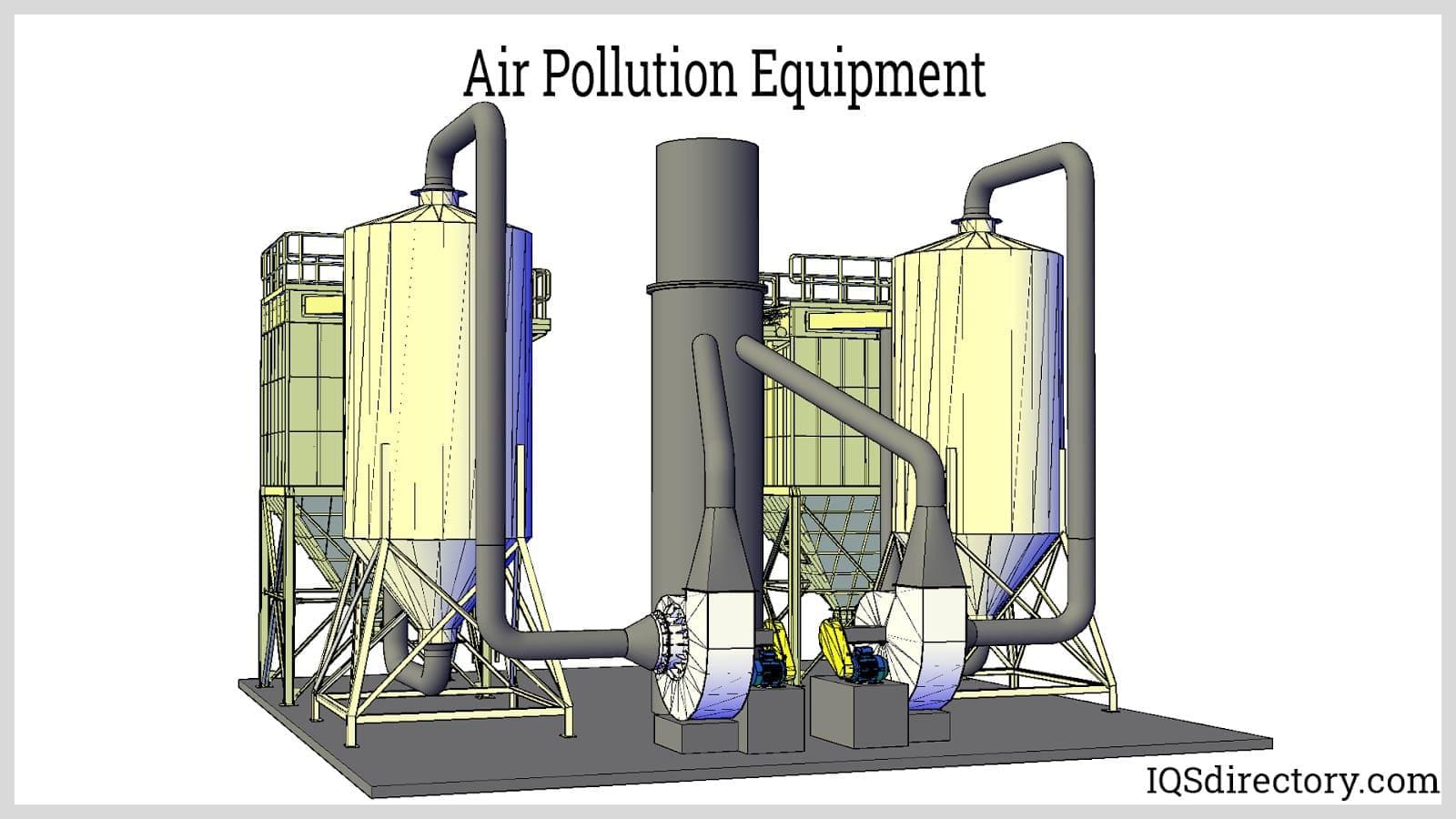
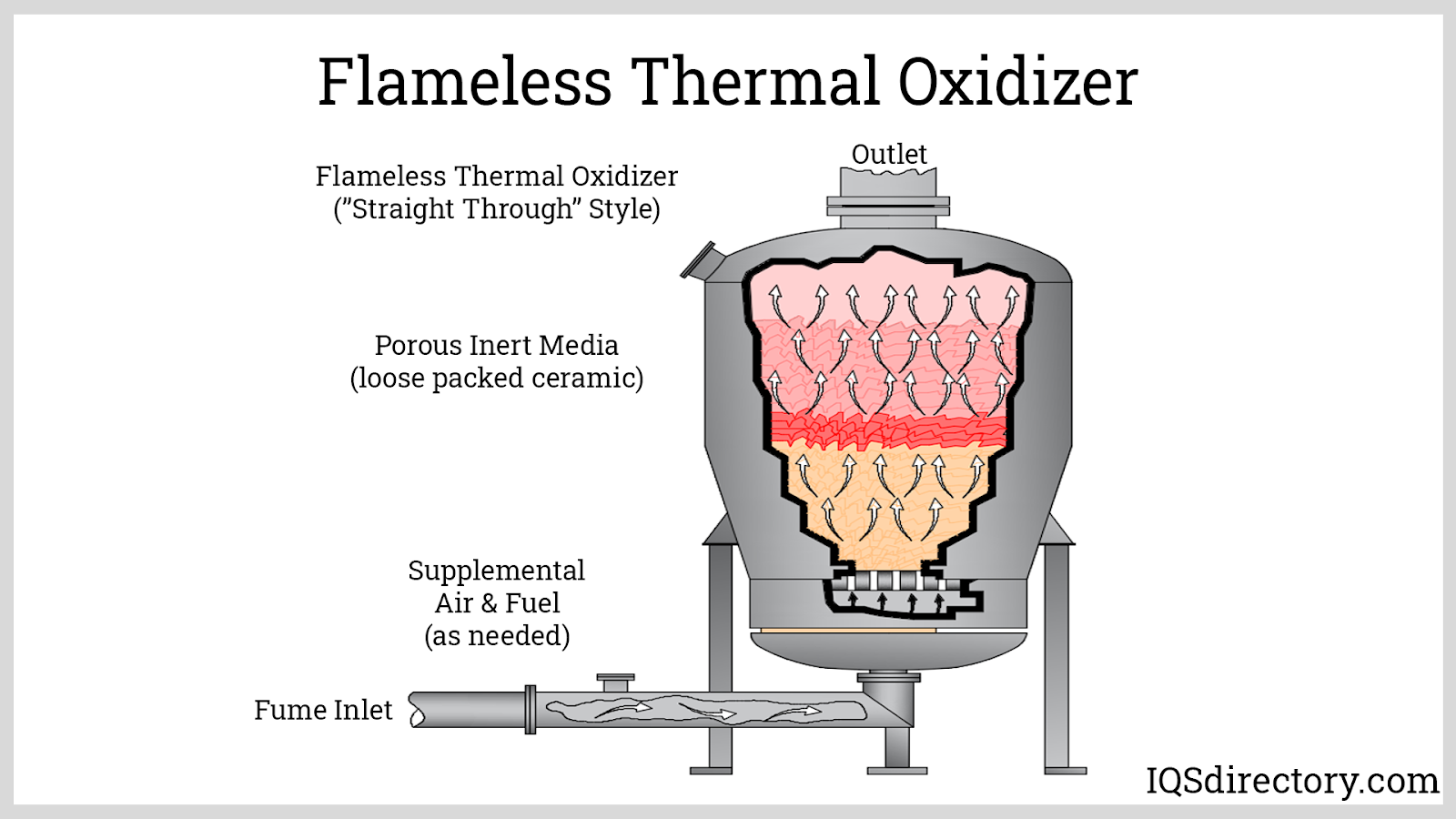
Anguil Environmental provides highly-engineered, environmental equipment and service solutions that help clients solve complex industrial air pollution control and wastewater treatment challenges across the globe. Anguil air pollution control systems include thermal and catalytic oxidation technologies for compliance with VOC, HAP and odor regulations.
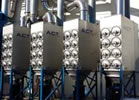
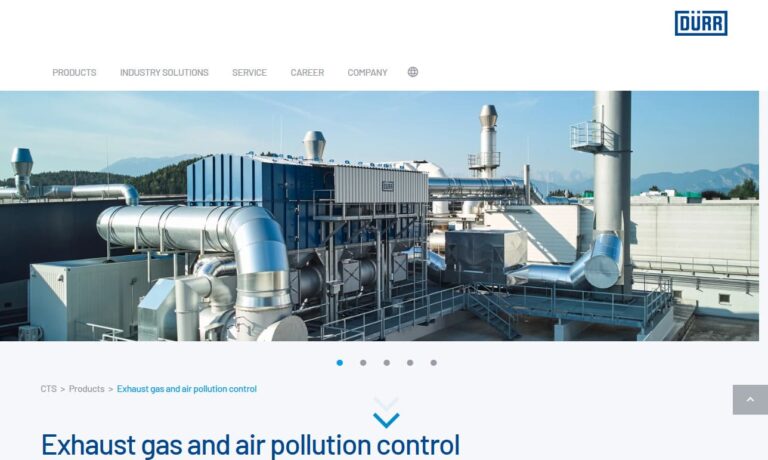
Dürr CTS Inc. is a leading global supplier of environmental solutions and engineered products tailored to meet customers' industrial process requirements. We offer a complete portfolio of air pollution control technologies including scrubbers, wet electrostatic precipitators, thermal and catalytic oxidizers, and solvent recovery systems.
Meet stringent environmental regulations with Ducon's complete line of the most advanced air pollution control equipment: cyclones, scrubbers, incinerators, electrostatic precipitators, activated carbon absorbers, gas absorption towers, flue gas desulfurization, chemical strippers, NOx & VOC Control, etc.

More Air Scrubber Manufacturers
What are Air Scrubbers?
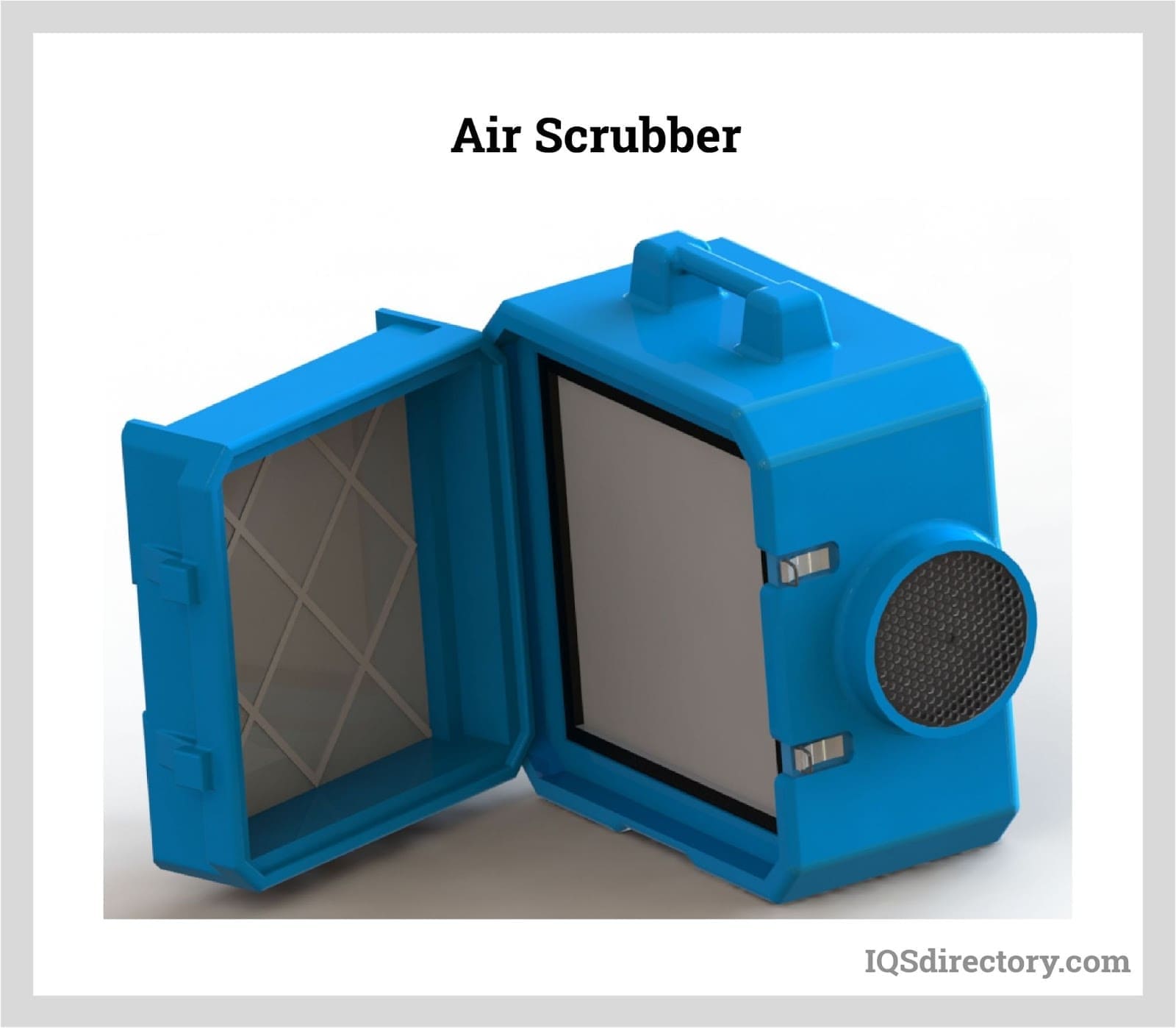
Air scrubbers are advanced air purification devices engineered to remove pollutants, contaminants, particulates, and harmful airborne substances from enclosed environments. By filtering air through a combination of specialized components, air scrubbers effectively capture and neutralize airborne particles, gasses, and volatile organic compounds (VOCs), thereby significantly improving indoor air quality (IAQ). These purification systems are utilized in a variety of settings—from residential homes and commercial buildings to industrial facilities—where clean, contaminant-free air is essential for health, safety, and regulatory compliance.
All air scrubbers share core components that work synergistically to eliminate pollutants. Key elements include high-efficiency filters (such as HEPA or activated carbon), robust fans or blowers, and engineered chambers designed to optimize air flow and retention time. The filters capture contaminants such as dust, mold spores, pollen, bacteria, viruses, fumes, and chemical vapors, while fans draw ambient air into the system and force it through the filtration stages. The chambers or housings are precision-designed to ensure maximum contact between airflow and filtration media, enhancing purification efficacy and throughput.
Are you wondering what types of air scrubbers are best for specific contaminants or industries? Explore the sections below to compare features, benefits, and ideal use cases for different air scrubber technologies.
Variations of Air Scrubbers
The market for air purification equipment offers several variations of air scrubbers, each tailored for distinct applications and contaminant profiles. Understanding these types can help you select the optimal solution for your unique air quality challenges:
- HEPA Air Scrubbers: These units utilize high-efficiency particulate air (HEPA) filters that capture at least 99.97% of particles as small as 0.3 microns. They are highly effective for allergy and asthma sufferers, healthcare facilities, cleanrooms, and restoration projects where airborne dust, mold, and pathogens are a concern.
- Activated Carbon Air Scrubbers: These systems use activated carbon filtration media to adsorb and remove gasses, chemical fumes, smoke, and odors. They are ideal for industrial manufacturing, laboratories, restaurants, and cannabis grow rooms where VOCs and unpleasant smells are prevalent.
- UV Air Scrubbers: Leveraging ultraviolet germicidal irradiation (UVGI), these air scrubbers deactivate microorganisms by breaking down their DNA or RNA structure. UV air scrubbers are commonly deployed in hospitals, dental clinics, schools, and public spaces to reduce the risk of airborne infectious diseases.
- Ozone Air Scrubbers: These devices generate ozone to oxidize and neutralize pollutants, bacteria, viruses, and persistent odors. While effective, their use requires careful handling due to potential health risks associated with excessive ozone exposure.
- Wet Scrubbers: Often used in heavy industry, wet air scrubbers employ liquid solutions (water or chemical reagents) to capture and neutralize soluble gasses, acidic compounds, and particulates from exhaust streams. Wet scrubbers are essential for emissions control in power plants, chemical processing, and metalworking sectors.
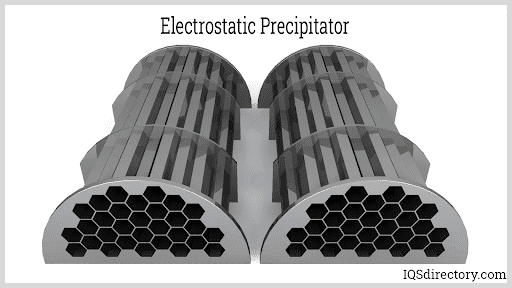
- Electrostatic Precipitators: These advanced systems use electrical charges to attract, collect, and remove fine particulate matter from the air. They are widely used in commercial kitchens, industrial exhaust systems, and manufacturing facilities.
Searching for a specific type of air scrubber for your application? Compare air scrubber technologies and request expert guidance from leading manufacturers.
Pros and Cons of Air Scrubbers
Advantages of Using Air Scrubbers
- Improved Indoor Air Quality (IAQ): By removing dust, allergens, mold spores, pathogens, and chemical fumes, air scrubbers create a cleaner and healthier environment for building occupants.
- Reduction of Airborne Disease Transmission: Effective air cleaning reduces the spread of viruses and bacteria—including flu, COVID-19, and other respiratory illnesses—especially in high-traffic or sensitive environments like hospitals and schools.
- Allergy and Asthma Relief: By filtering pollen, pet dander, and irritants, air scrubbers help alleviate allergy symptoms and respiratory distress.
- Odor Control: Activated carbon and ozone scrubbers are highly effective at neutralizing persistent odors from cooking, smoke, chemicals, or waste processing.
- Compliance with Air Quality Regulations: Industrial air scrubbers help businesses meet environmental and occupational health standards for emissions and workplace safety.
- Versatility for Diverse Environments: Air scrubbers are adaptable for use in homes, offices, factories, warehouses, healthcare facilities, cleanrooms, and construction sites.
Disadvantages and Considerations
- Ozone Risks: Ozone-generating air scrubbers can irritate lungs and exacerbate asthma or other respiratory conditions if not used according to safety guidelines.
- Maintenance and Operating Costs: Regular filter changes, cleaning, and periodic maintenance are essential for optimal performance, adding to the total cost of ownership.
- Limitations with Certain Pollutants: Some models may not effectively capture or neutralize all VOCs, ultrafine particulates, or heavy metals. Selecting the correct technology for your specific contaminants is crucial.
- Initial Investment: High-quality commercial or industrial air scrubbers can require a significant upfront investment, although the long-term health and compliance benefits often justify the cost.
- Noise Levels: Some high-capacity units may generate noticeable noise, which can be a consideration in quiet environments.
Curious about which air scrubber is right for your needs? Jump to our buying guide for tips on evaluating features, benefits, and costs.
Applications of Air Scrubbers
Air scrubbers are versatile devices that play a critical role in enhancing indoor air quality across a wide range of environments. Below, we explore specific use cases and buyer scenarios to help you understand where air scrubbers deliver the greatest value.
Residential Applications
In homes and apartments, air scrubbers can dramatically improve the health and comfort of residents by filtering out allergens, pet dander, dust mites, mold spores, and volatile organic compounds (VOCs) released from paints, cleaning agents, and furnishings. Individuals with allergies, asthma, or compromised immune systems can particularly benefit from HEPA and activated carbon scrubbers. These air purification units are often integrated with HVAC systems or used as portable standalone units in bedrooms, living rooms, or nurseries.
- Removes household odors from cooking, pets, and smoke
- Reduces indoor triggers for allergy and asthma symptoms
- Improves air quality after renovations or mold remediation
- Enhances sleep quality and general wellbeing
Commercial Applications
Air scrubbers are essential in commercial environments where employee health, customer satisfaction, and regulatory compliance are top priorities. Office buildings, hotels, restaurants, gyms, and retail stores all benefit from high-performance air cleaning systems. In restaurants, commercial kitchens, and food processing facilities, scrubbers remove smoke, grease, and cooking odors, creating a more pleasant dining or working environment. In offices, they reduce the spread of airborne germs and improve overall worker productivity.
- Maintains a healthy, comfortable workspace
- Controls cooking fumes, chemical smells, and tobacco smoke
- Helps meet OSHA and EPA indoor air quality standards
- Reduces absenteeism due to illness
Industrial Applications
Industrial air scrubbers are engineered to address the unique challenges of manufacturing, processing, and heavy-duty environments. These systems are capable of handling high volumes of contaminated air containing hazardous substances like welding fumes, VOCs, chemical vapors, dust, and fine particulates. Industrial air scrubbers are found in factories, refineries, metalworking shops, woodworking facilities, and chemical plants, where they protect workers and help companies comply with stringent emissions regulations.
- Captures toxic fumes and dust at the source
- Reduces environmental impact and regulatory risk
- Protects sensitive manufacturing processes and equipment
- Supports sustainability and corporate responsibility goals
Medical Applications
In healthcare environments, air scrubbers are indispensable for infection control and patient safety. Hospitals, clinics, dental offices, and long-term care facilities deploy air scrubbers with HEPA and UV-C technology to remove airborne pathogens, bacteria, and viruses. These systems mitigate the risk of healthcare-associated infections (HAIs), safeguard immunocompromised patients, and provide peace of mind for staff and visitors.
- Reduces transmission of airborne diseases (e.g., influenza, COVID-19, tuberculosis)
- Ensures compliance with CDC and WHO infection control guidelines
- Supports sterile environments in surgical suites and isolation rooms
- Improves air quality in waiting rooms, emergency departments, and patient wards
Construction and Restoration Applications
Air scrubbers are vital tools during construction, demolition, and restoration projects. They efficiently capture dust, mold spores, asbestos fibers, and chemical odors generated by building activities. Restoration professionals rely on portable air scrubbers during water or fire damage remediation to prevent the spread of contaminants and protect worker health.
- Controls construction dust and debris
- Facilitates mold, smoke, and water damage restoration
- Protects workers and occupants during renovations
- Reduces project cleanup time and costs
Data Centers and Electronics Facilities
In data centers, cleanrooms, and electronics manufacturing, air scrubbers remove microscopic particulates and corrosive gasses that can damage sensitive equipment or compromise product quality. By maintaining ultra-clean air, these systems support reliable operations and reduce maintenance costs.
- Prevents static and contamination-related downtime
- Enhances equipment longevity
- Meets ISO cleanroom standards
Need help determining which air scrubber is best for your environment? See our comparison checklist and decision guide below.
Choosing the Right Air Scrubber Supplier
Selecting the ideal air scrubber for your application involves evaluating technology, performance specifications, supplier experience, and after-sales support. Follow this step-by-step guide to make an informed purchasing decision:
- Define Your Air Quality Goals: Identify the specific contaminants you need to control (e.g., dust, VOCs, biological agents) and required airflow capacity (CFM).
- Assess Filtration Technologies: Consider whether HEPA, activated carbon, UV-C, wet scrubbing, or electrostatic methods best address your needs.
- Evaluate Supplier Capabilities: Use our directory of air scrubber suppliers to compare manufacturers by industry expertise, product range, and application focus.
- Check Certifications and Compliance: Ensure products are certified to relevant standards (e.g., UL, CE, ISO, ASHRAE) and meet local air quality regulations.
- Consider Total Cost of Ownership: Factor in initial investment, maintenance schedules, filter replacement costs, and energy efficiency.
- Request Customized Solutions: Leading suppliers offer tailored system configurations, integration with building HVAC, and flexible installation options.
- Review Customer Support and Warranty: Reliable after-sales service, technical support, and extended warranties contribute to long-term satisfaction.
Our directory of air scrubber suppliers features detailed business profiles, highlighting each company’s experience, technological capabilities, and application expertise. Use the contact form on each supplier profile to request a quote, product literature, or answers to your technical questions. For efficient comparison, leverage our patented website previewer to quickly evaluate each company’s specialization and reputation. Then, use our simple RFQ (Request for Quote) form to reach multiple air scrubber companies at once, streamlining your procurement process.
Ready to take the next step in improving indoor air quality? Browse our list of trusted air scrubber manufacturers and contact industry experts for personalized recommendations.
Frequently Asked Questions About Air Scrubbers
How do air scrubbers differ from air purifiers?
While both air scrubbers and air purifiers improve indoor air quality, air scrubbers are typically more robust and designed for commercial or industrial applications. Air scrubbers can remove a broader range of contaminants—including gasses, VOCs, and particulates—and are often used in environments with high contaminant loads or specific regulatory requirements. Air purifiers are generally intended for residential or small office use and may not include advanced features like UV-C, wet scrubbing, or industrial-grade filtration.
What maintenance is required for air scrubbers?
Maintenance requirements vary by model and application but typically include regular filter replacements (HEPA, carbon, or pre-filters), periodic cleaning of fans and housings, and inspection of UV lamps or wet scrubbing solutions. Following the manufacturer’s recommended maintenance schedule ensures optimal performance and prolongs the system’s lifespan.
Which industries benefit most from air scrubbers?
Air scrubbers are widely used in healthcare, manufacturing, food processing, hospitality, schools, laboratories, data centers, cannabis cultivation, and construction. Any environment with stringent indoor air quality standards, hazardous airborne contaminants, or a need to minimize the spread of disease can benefit from an air scrubbing solution.
How do I size an air scrubber for my facility?
Sizing depends on the volume of air to be cleaned (measured in cubic feet), the desired number of air changes per hour (ACH), and the type and concentration of contaminants present. Suppliers and manufacturers can assist with sizing calculations to ensure effective purification and compliance with safety guidelines.
Are portable air scrubbers effective?
Yes, portable air scrubbers are effective for localized air cleaning in homes, offices, construction sites, and restoration projects. They offer flexibility, are easy to deploy, and can be moved between rooms or worksites as needed. For larger or more complex environments, permanently installed or ducted air scrubbers may be more appropriate.
Still have questions about air scrubber selection, installation, or maintenance? Contact our experts or request a custom quote today.
Conclusion: Enhance Air Quality with the Right Air Scrubber Solution
Investing in the right air scrubber system is a smart decision for anyone seeking to improve indoor air quality, safeguard health, and comply with environmental regulations. Whether you are a facility manager, homeowner, contractor, or operations executive, understanding your specific requirements and available technologies is key to achieving optimal results. By partnering with a reputable air scrubber supplier, you gain access to the latest innovations, expert guidance, and reliable after-sales support—ensuring long-term value and peace of mind.
Ready to start your air scrubber search? Explore our vetted supplier directory and connect with industry leaders who can help you achieve your clean air goals.